Office Relocation Services in Portugal
Move your workplace with confidence across Portugal

Office Relocation Services in Portugal are designed for businesses that need a move handled carefully, efficiently, and with as little disruption as possible. Whether you are shifting a small startup from a coworking space in Lisbon, moving a legal practice in Porto, relocating a branch office in Faro, or transferring a growing team to a larger commercial unit in Braga, the process is never just about boxes. It is about keeping your people productive, protecting equipment, and making sure the new workplace is ready when you are.
Many local customers come to office movers only when the pressure is already building: the lease is ending, the landlord needs the keys back, new furniture is arriving, or teams need to be moved outside business hours. In Portugal, these moves can be more complicated than they first appear. Historic streets, limited loading bays, apartment-style office conversions, building access rules, and parking restrictions in city centres all need to be planned in advance. A local team understands these realities and can build a move around them instead of treating every office relocation the same.
If you are looking for a service that respects your schedule, your files, your technology, and your space, the right relocation partner can make the difference between a stressful transition and a well-managed one. Request a free quote when you are ready to compare options, and use the sections below to understand what is included, how the service works, and what affects the final plan.
Why office moves in Portugal need local knowledge
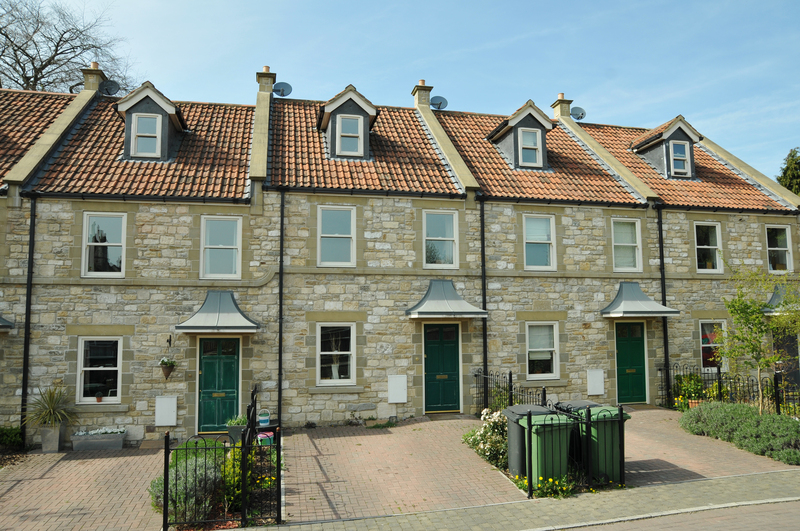
Portugal’s business districts and commercial areas are varied, and that variety matters when moving an office. A move in central Lisbon may involve narrow roads, time-limited access, older lifts, shared entrances, and strict building management rules. In Porto, offices can be located in refurbished buildings, riverside commercial spaces, or busy avenues where unloading must be timed carefully. Along the Algarve, the challenge can be seasonal traffic, tourist congestion, and the need to work around hotel and retail activity. In inland cities such as Coimbra, Aveiro, Évora, or Viseu, the layout may be different again, but access planning remains just as important.
Local office relocation services are valuable because they account for these practical details before moving day. That includes checking access routes, identifying parking limitations, understanding whether a lift can take larger items, and deciding how to move sensitive items like servers, monitors, archive cabinets, or specialist office chairs. When a team already knows the kinds of buildings common in Portugal, they can avoid delays and reduce the risk of damage.
For customers, that means less guesswork. You get a move planned around your actual workplace conditions, whether your office is in a modern business park in Oeiras, a shared space in Cascais, a corporate floor in Lisbon, a serviced office in Vila Nova de Gaia, or a commercial unit near the city centre. The result is a relocation that feels organised, not improvised.
Who uses office relocation services?

Office relocation is not only for large companies. In Portugal, a wide range of customers rely on this service when they need to move workspaces safely and with minimal interruption. Small businesses often need support because they do not have the internal manpower, vehicles, or packing materials to manage the move on their own. Larger organisations may need a coordinated plan for multiple departments, IT equipment, and staged relocation over several days.
Typical customers include:
- Startups moving out of coworking spaces into their first private office
- Law firms, consultancies, and accounting offices handling confidential files
- Retail head offices relocating administrative teams
- Medical, technical, and professional service companies with specialist equipment
- Remote or hybrid teams consolidating into a smaller office footprint
- Companies opening a new branch or closing a satellite office
In many cases, the move is tied to growth, downsizing, or a change in lease terms. Whatever the reason, the service needs to be adapted to the business. A reception desk, meeting room furniture, filing systems, desktop computers, and branded items all require different handling. A good relocation plan considers the items themselves, the building access, and the timing that works for your staff.
What is included in an office relocation service?

While every project is different, professional office relocation services in Portugal usually cover a combination of planning, packing, transport, and setup support. The aim is to move your office in a way that protects your assets and keeps the transition orderly. Depending on your needs, the service can be fully managed or limited to selected tasks such as transport only.
Common inclusions may involve:
- Pre-move assessment of the current office and destination
- Move planning that fits your schedule and business hours
- Packing supplies for documents, equipment, and office contents
- Furniture disassembly and reassembly where required
- Safe transport using suitable vehicles for the load
- Handling of IT and office equipment with care and coordination
- Placement support so items go to the correct rooms or zones
- Clear communication before, during, and after the move
Some businesses also need help with archive relocation, secure document moving, printer and copier transport, and the shifting of meeting room furniture. Others need a phased move so one department can move first while the rest of the team keeps working. The best service is one that adapts rather than forcing your company into a rigid process.
How the office relocation process works

A smooth relocation starts with a clear process. When you contact a local office moving company in Portugal, the first step is usually to understand the size of your office, what needs to be moved, where it is going, and when the move has to happen. This is where the details matter. A small office with ten desks has a very different requirement from a multi-room company floor with archive storage, IT racks, and visitor areas.
The process often follows these stages:
- Initial discussion about the move size, access, and timing
- Survey or assessment to understand items, building conditions, and restrictions
- Relocation plan tailored to your operational needs
- Packing and preparation using labelled boxes and item grouping
- Move day execution with loading, transport, and careful delivery
- Placement and setup at the new office, if included
For many local customers, the most valuable part is timing. You may need an evening move, a weekend move, or a phased schedule to avoid interrupting clients and staff. A commercial relocation team can work around these constraints so your business can resume quickly in the new location.
Moving offices in Lisbon, Porto, and across Portugal
Portugal’s main cities present different moving conditions, and a locally experienced team will know how to plan around them. Lisbon office relocation often requires careful coordination due to traffic, building access, parking availability, and older city layouts. Offices in Baixa, Chiado, Avenida da Liberdade, Saldanha, Parque das Nações, or Alcântara may each have their own restrictions, from loading times to lift dimensions. A move near the centre also benefits from flexible scheduling to avoid peak congestion.
Porto office moving services can involve renovated buildings, shared entrances, and streets where vehicle positioning needs to be precise. Areas such as Boavista, Cedofeita, and the riverside business zones may require extra planning for loading and unloading. In the north, businesses in Matosinhos, Maia, and Vila Nova de Gaia may need relocations linked to office parks, logistics hubs, or mixed commercial sites.
Outside the major centres, the same principles apply. Companies in Braga, Guimarães, Aveiro, Leiria, Coimbra, Setúbal, Cascais, Oeiras, Sintra, and Faro often need support for offices located in retail parks, business centres, or converted buildings. Whether your workplace is near a metro line, a main road, or a historic street, the job is to make the move efficient and predictable.
Residential and commercial moving differences
Although office relocation shares some similarities with household moving, commercial work has its own demands. Offices often contain more paperwork, electronics, modular furniture, and items that must be assigned to specific people or departments. There may also be data sensitivity, equipment tagging, and business continuity concerns. That is why customers should look for movers who understand commercial relocation, not only general removals.
For business customers, the most important differences often include:
- Handling confidential files and archive boxes carefully
- Protecting IT equipment and cabling
- Moving desks, chairs, storage units, and boardroom furniture
- Working to fixed deadlines linked to lease dates or office opening schedules
- Coordinating with building management, reception, or facilities staff
- Reducing downtime so employees can return to work quickly
Residential removals may focus more on personal belongings and household furniture, but office relocation services need an organised, task-based approach. If your company is moving from a home office into a commercial unit, or shifting from a residential-style office space into a more formal business setting, the move should be planned with both work and practicality in mind.
Preparation checklist for a smoother move
Good preparation saves time on move day and reduces stress for everyone involved. Even with professional office relocation support, a little internal organisation goes a long way. Before the move, it helps to appoint a staff contact who can coordinate with the moving team and confirm what needs to happen in each area.
Use this checklist to prepare your office:
- Confirm the new office layout and which room or zone each department will use
- Back up important data and secure digital systems
- Label computers, monitors, cables, and peripherals clearly
- Sort files and archive boxes by department or priority
- Remove personal items from desks and storage areas
- Decide which furniture is moving, which is being replaced, and what should be disposed of separately
- Notify building management about access times and loading arrangements
- Check parking, lift use, and access restrictions at both sites
- Inform staff about the move schedule and expected downtime
Tip: if your office has specialised equipment, fragile displays, or large meeting tables, mention these early so the move plan includes enough time and the correct handling approach. A short preparation stage can prevent much bigger problems later.
Pricing factors and what affects the quote
Customers often want to understand what influences the cost of an office move in Portugal before they book. Since every relocation is different, pricing usually depends on the size of the office, the complexity of access, and the amount of work involved. Rather than focusing on a single number, it helps to look at the practical factors that shape the quote.
Typical pricing factors include:
- Number of desks, chairs, cabinets, and other furniture items
- Volume of boxes, files, and archived documents
- Need for packing materials and packing labour
- Distance between the current office and the new location
- Stairs, lifts, narrow corridors, or long carrying distances
- Parking availability and access times at each property
- Requirements for evening, weekend, or phased moves
- Special handling for IT, fragile equipment, or bulky items
Businesses often save time and avoid surprises by asking for a detailed assessment before move day. That gives the moving company a chance to understand the site conditions and prepare the correct team and vehicle size. A well-planned quote is usually more useful than a rough estimate based only on square metres or office headcount.
Why choose a local company for office relocation in Portugal?
Choosing a local service provider brings practical advantages that matter on moving day. A local team is more likely to understand regional traffic patterns, property access rules, and common building layouts in Portuguese cities and business districts. They can also respond more quickly, which is valuable when your move dates are fixed or your schedule changes.
Here are some reasons local knowledge helps:
- Better route planning through city centres and around busy commercial zones
- Awareness of access limits in older or mixed-use buildings
- Faster coordination for surveys, planning, and moving dates
- More relevant solutions for local office types, from serviced spaces to larger headquarters
- Practical familiarity with common parking and unloading issues
For customers, this means a smoother conversation and a move plan that fits the realities of working in Portugal. Whether your office is in Lisbon, Porto, the Algarve, or a smaller business centre elsewhere in the country, local experience can make the whole process feel more manageable.
What to expect on move day
Move day should feel structured, not chaotic. A professional office relocation team will usually arrive with a clear plan, the right equipment, and an understanding of what needs to be moved first. The safest moves start with identification: what is being carried, where it is going, and whether any items need special attention.
On the day, you can expect the team to:
- Check access and confirm the route in and out of the building
- Protect floors, walls, and entrance areas where needed
- Load items systematically to reduce damage and confusion
- Transport boxes and furniture securely
- Place items in the correct rooms or zones at the destination
- Reassemble selected furniture if arranged in advance
Good communication remains important throughout the day. If the office is still being used by staff, or if the move must happen in stages, a coordinated approach helps avoid delays. Many businesses also choose to move IT equipment after general furniture to reduce downtime and support a quick restart.
Special considerations for IT, files, and fragile items
Office relocations often include sensitive equipment that needs more than simple transport. Computers, monitors, routers, printers, and servers should be moved carefully, ideally with a clear plan for disconnecting, packing, and reconnecting them. Even standard office items can be fragile when stacked or moved through tight corridors.
Items that deserve extra attention include:
- Servers, network hardware, and communication equipment
- Desktop computers, screens, and docking stations
- Archival files and confidential document boxes
- Glass tables, display units, and reception furniture
- Whiteboards, projectors, and meeting room technology
- Large printers, copiers, and multifunction devices
Important: if your team has a dedicated IT provider, it may be sensible to coordinate with them before the move. That way, disconnection and reconnection can be handled in a sequence that supports your business. Careful labelling also helps every department settle into the new space faster.
Areas covered across Portugal
Office relocation services can support businesses throughout the country, from major urban centres to smaller commercial districts. The exact service area may vary depending on the provider, but local and regional coverage often includes the following:
- Lisbon and surrounding areas such as Oeiras, Amadora, Cascais, Sintra, and Loures
- Porto and nearby areas including Vila Nova de Gaia, Matosinhos, Maia, and Gondomar
- Braga, Guimarães, and the broader Minho region
- Aveiro, Coimbra, and surrounding central districts
- Leiria, Setúbal, Almada, and the south-bank business areas
- Faro, Loulé, Albufeira, and other Algarve locations
- Évora, Beja, Viseu, and other inland business centres
If your office is in a newly built business park, a serviced office building, a shared workspace, or a converted commercial property, the relocation approach can still be adapted. The key is ensuring the moving team knows the access conditions, timings, and any building-specific rules before the day arrives. Book your service now if your move date is approaching and you want to secure planning time.
FAQs about office relocation services in Portugal
How far in advance should I book an office move?
It is best to start planning as early as possible, especially if your office has limited access, a fixed handover date, or a large number of staff and items. Even a smaller office benefits from advance scheduling so packing, transport, and setup can be coordinated properly.
Can the move be done outside working hours?
Many businesses prefer evenings, weekends, or holiday periods to reduce disruption. Availability depends on the service provider and the details of your move, but flexible timing is often possible for commercial relocations.
Do office movers handle confidential documents?
Yes, many office relocation services can move file boxes, archive cabinets, and confidential materials carefully. If there are sensitive records, it is wise to discuss handling requirements in advance and keep a clear internal chain of responsibility.
What if my office is in a difficult building?
That is common in Portugal, especially in central areas or older properties. Narrow access, lifts, stairs, and parking restrictions can usually be managed with good planning, the right vehicles, and experienced movers who know how to work around such conditions.
Can you help with both the old office and the new one?
Yes, office relocation services can often support packing at the original premises and placement at the new location. Depending on the arrangement, this may include furniture disassembly and reassembly, item labelling, and help with organising rooms or departments.
Is office relocation suitable for small businesses?
Absolutely. Small businesses often benefit the most because they usually have limited time and staff to handle a move themselves. Professional support helps reduce disruption and keeps the transition manageable.
How to choose the right office relocation partner
When comparing providers, focus on how well they understand your business needs rather than just how quickly they can move items. A good relocation partner should ask questions about access, timing, equipment, packing, and the layout of both offices. They should also be willing to adapt the move to your schedule and explain what support is included.
Look for a company that can offer:
- Clear planning for city access and parking
- Experience with commercial and corporate moves
- Flexible timing to reduce business disruption
- Careful handling of furniture, electronics, and files
- Support for office layout changes at the destination
- Practical communication from start to finish
If you are relocating a workplace in Portugal for the first time, it can help to discuss your concerns openly before booking. That might include concerns about downtime, stair access, fragile equipment, or the need to move only part of the office at a time. The more the mover knows, the better they can tailor the service.
Ready to plan your relocation?
Whether you are moving a single office room, a growing team, or an entire company floor, the right support can make the process far less stressful. Professional office relocation services in Portugal are there to help you move with structure, care, and a clear plan that fits the realities of your building, your staff, and your business schedule.
Contact us today to discuss your move, ask about the service options available, and request a free quote. If your office move is coming up soon, do not leave planning until the last minute. A well-timed booking gives you more choice, more preparation time, and a better chance of keeping operations running smoothly.
From busy city-centre offices to business parks and mixed-use buildings, a local relocation team can help your company transition into its new space with confidence.